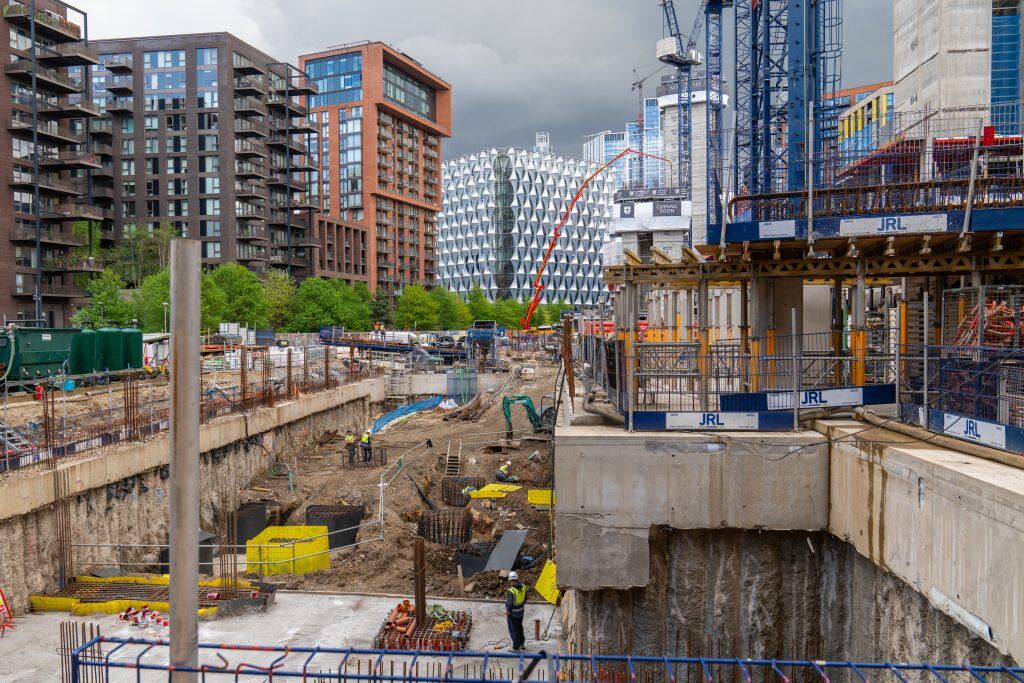
The demands placed on modern construction have never been greater.
From stricter sustainability targets to complex ground conditions and evolving regulatory requirements, today’s projects demand more than conventional solutions.
And nowhere is this more critical than in waterproofing.
Waterproofing is no longer a layer; it’s a fully engineered concrete waterproofing system. When it works, it protects the structure. When it fails, everything above it is at risk.
At Premcrete, we don’t see waterproofing as protection. We see it as performance.
From Passive Barriers to Engineered Systems
The biggest shift in the industry is simple: waterproofing is no longer something you apply; it’s something you design into the structure.
Modern systems are built to:
- Bond directly to concrete, eliminating water tracking
- Self-heal when micro-damage occurs
- Perform reliably under real site conditions
Together, these advances move waterproofing from passive defence to active performance.
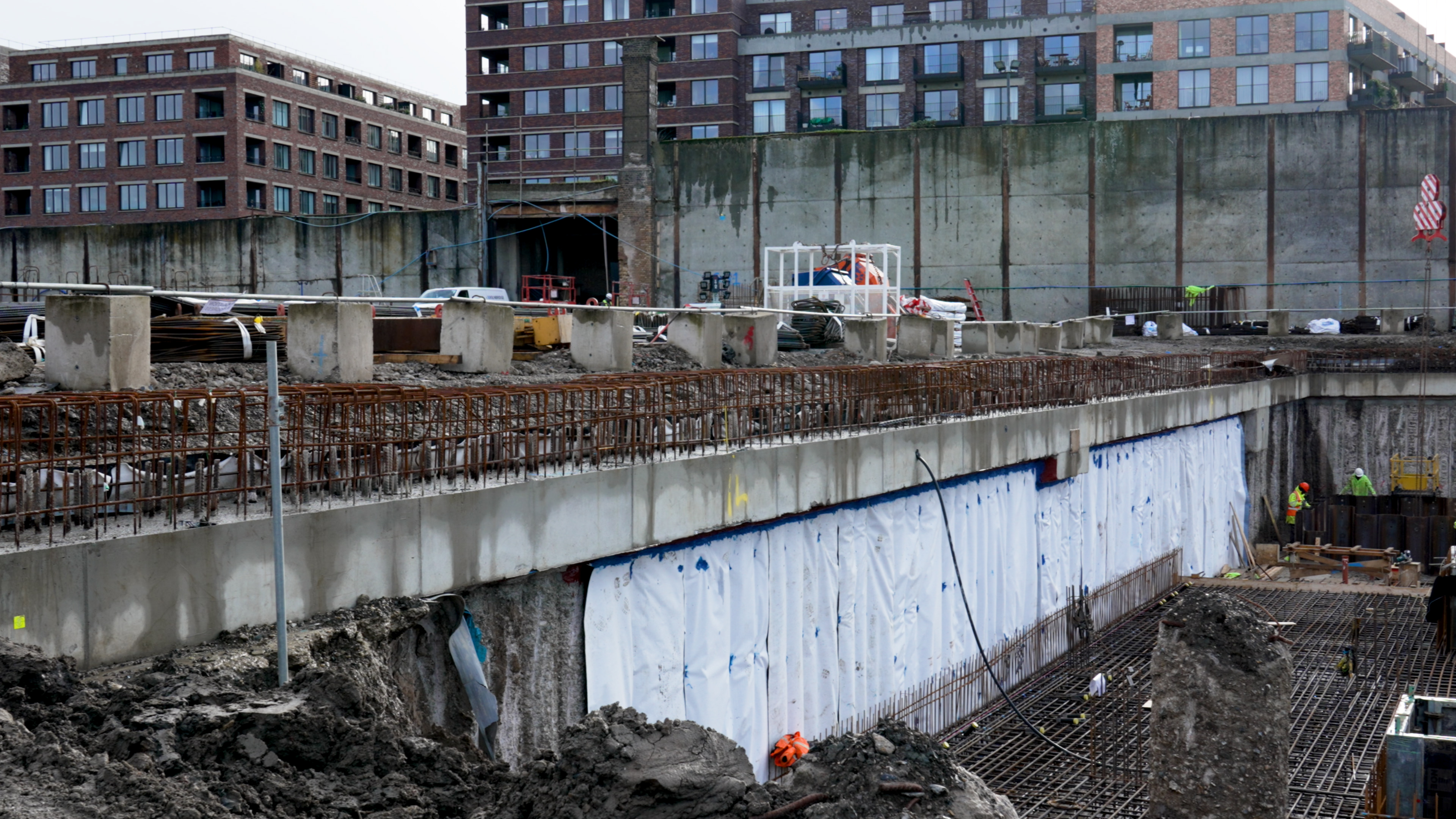
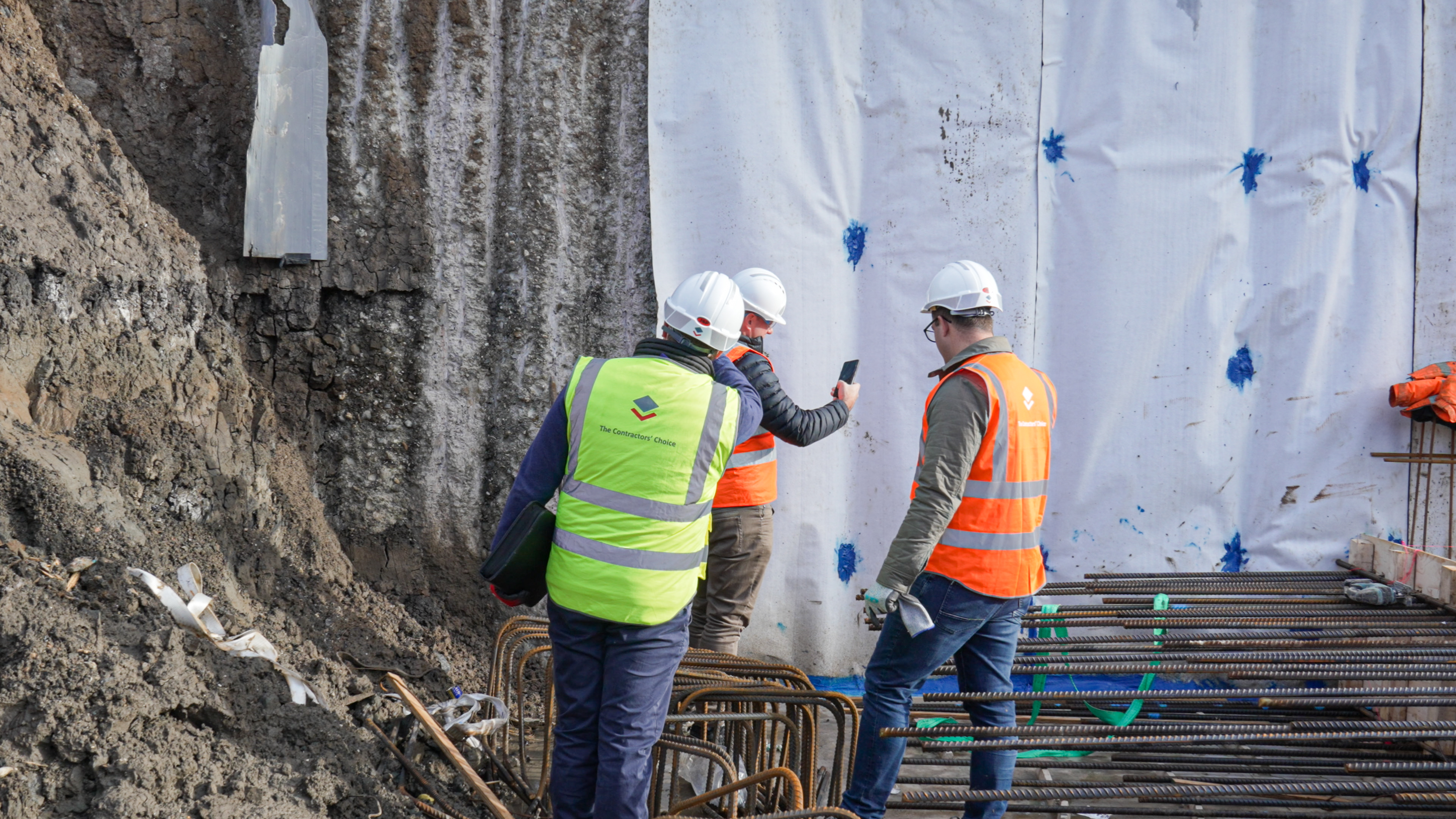
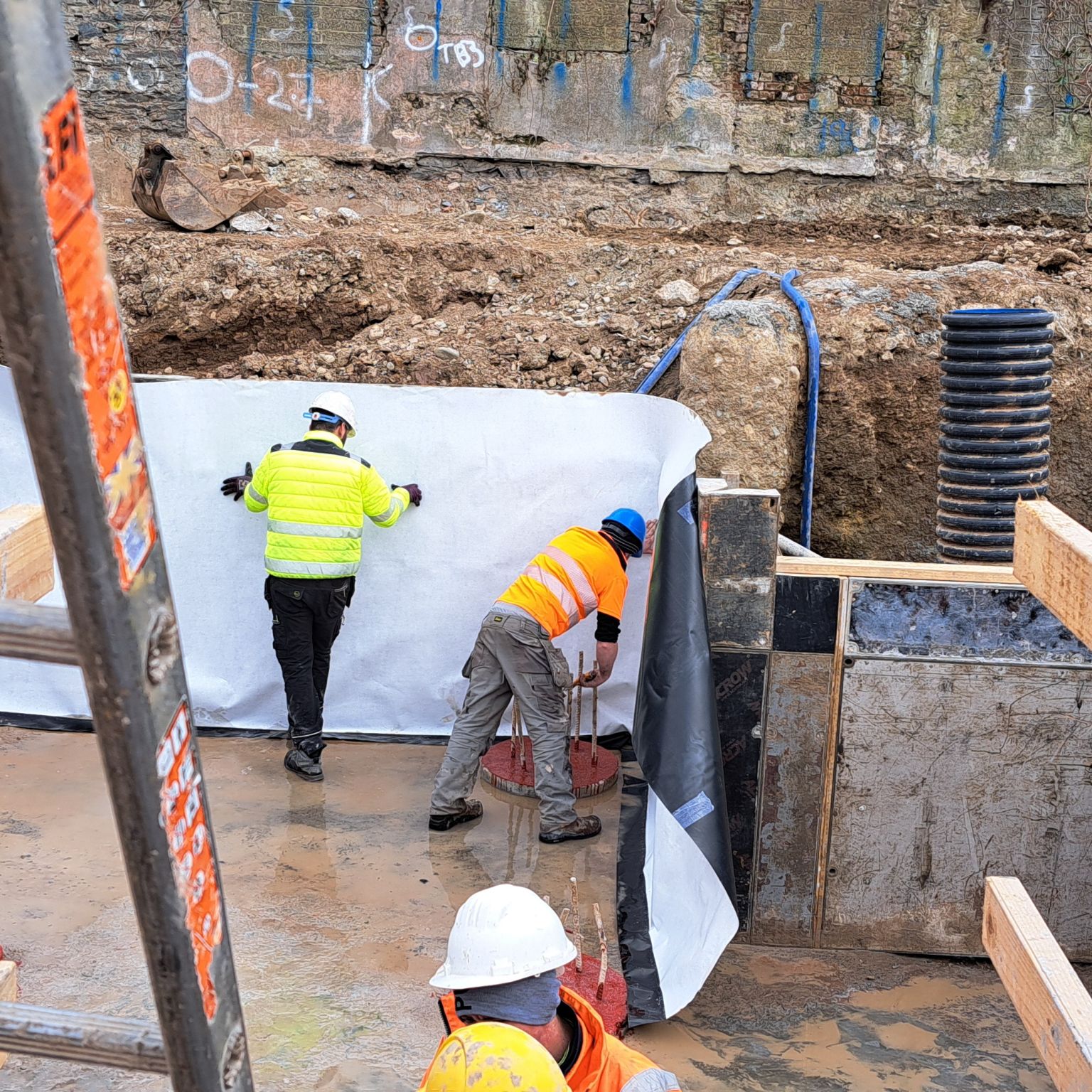
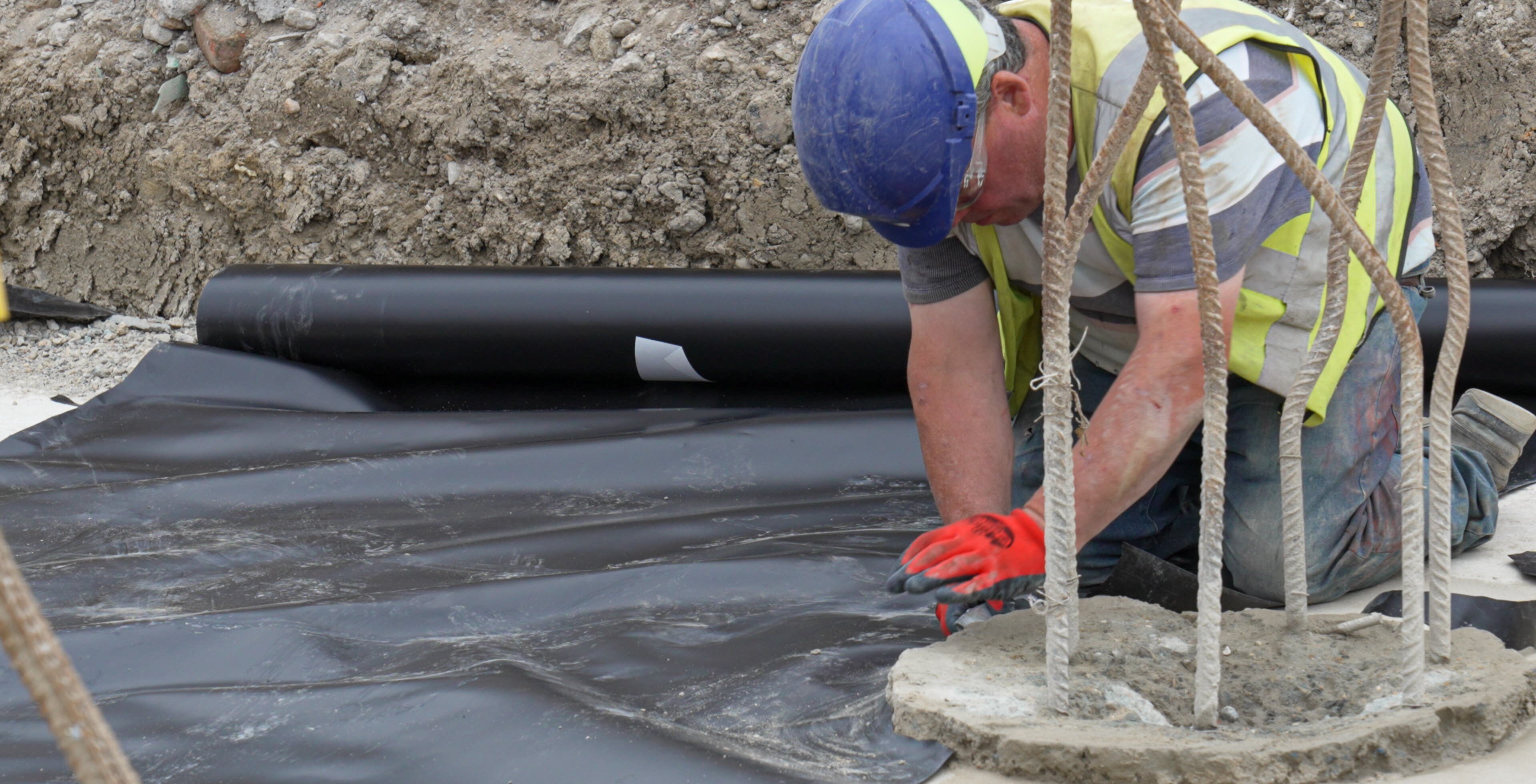
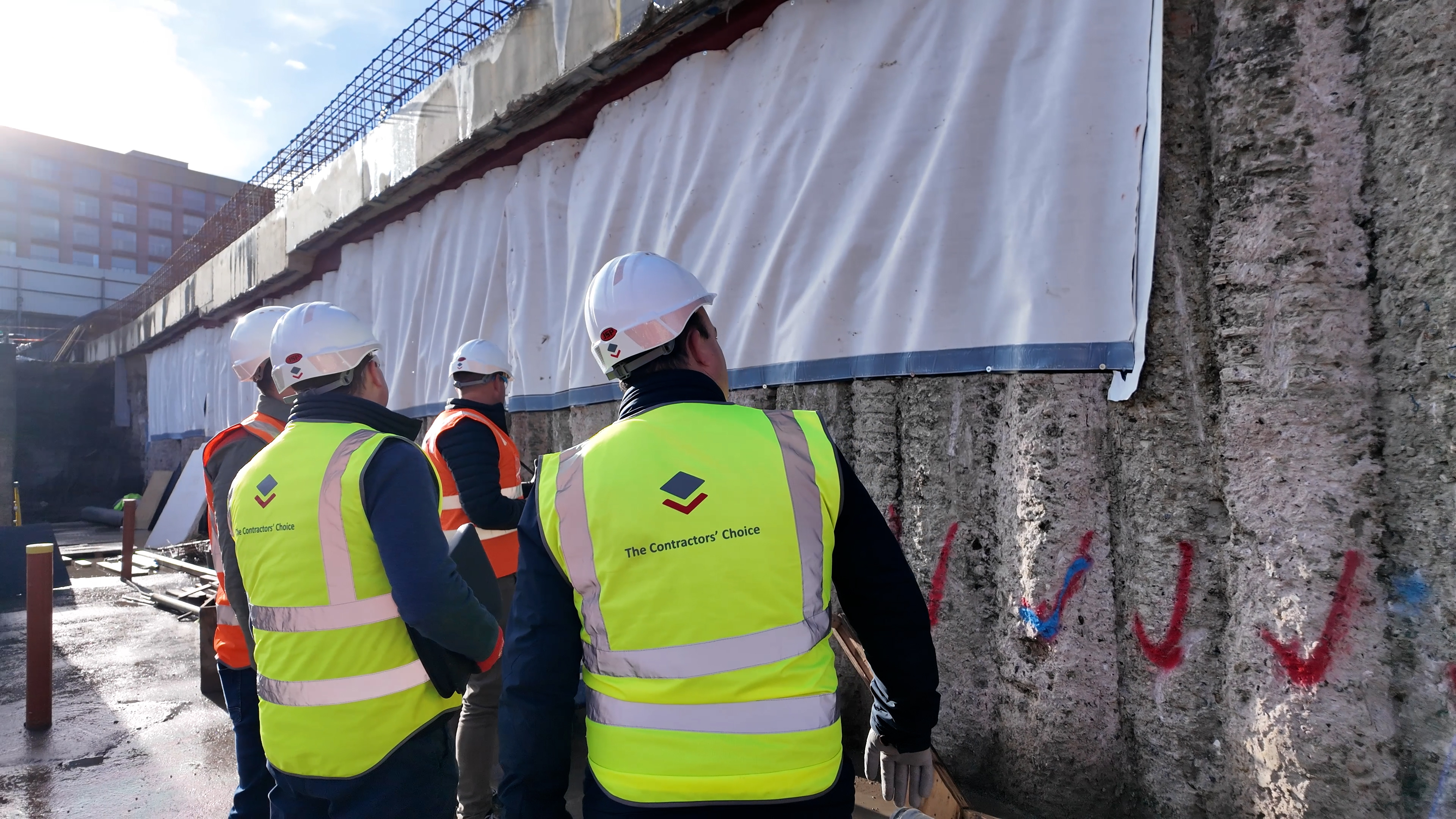
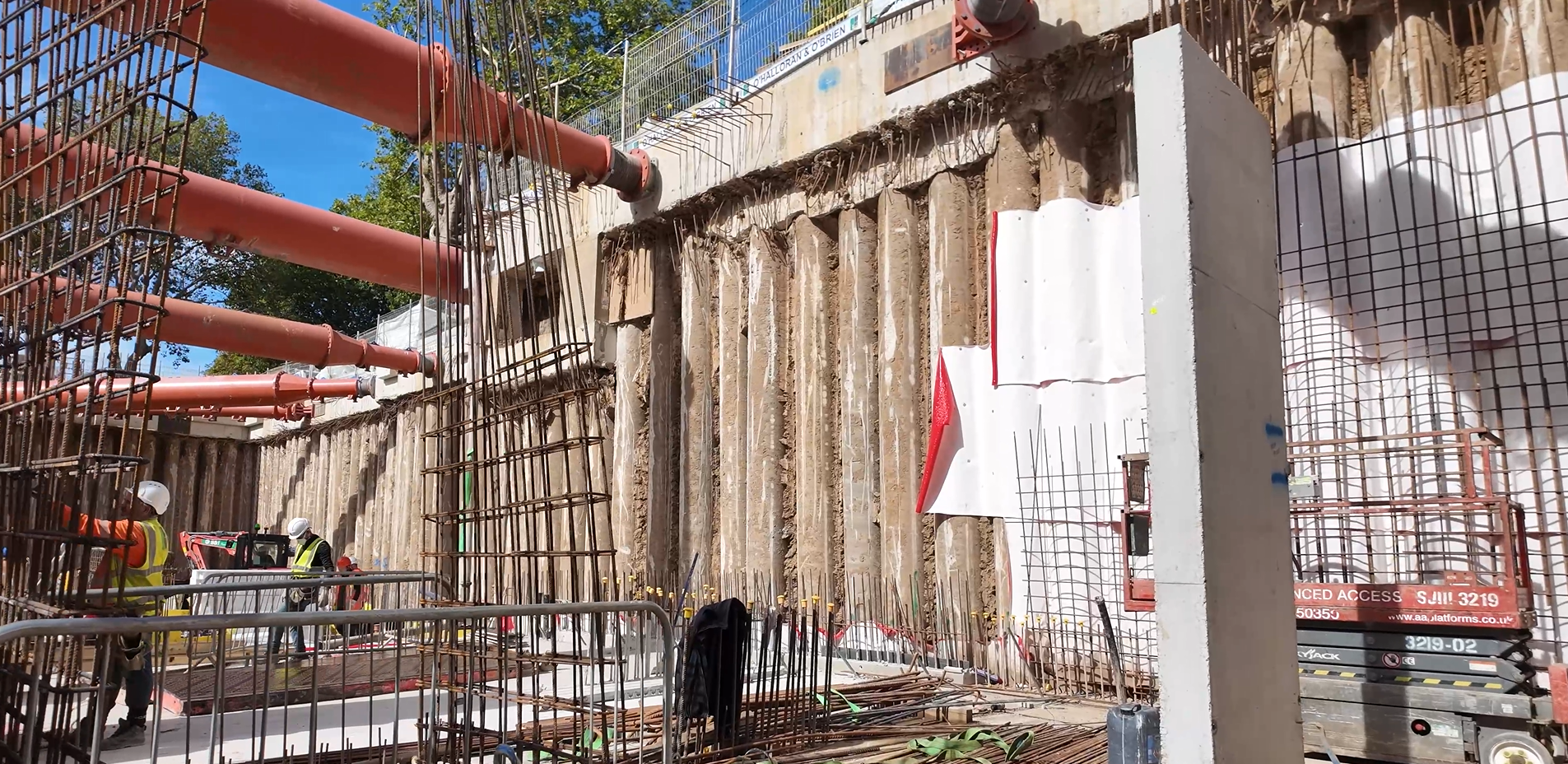
Our pre-applied waterproofing membrane systems are a clear example of this. By forming a continuous bond with concrete, they remove pathways for water ingress and deliver a more dependable concrete waterproofing system.
Just as importantly, they reduce common on-site issues like membrane damage and installation variability, which are two of the biggest causes of failure.
Why Pre-Applied Waterproofing is Leading the Way
Traditional systems rely heavily on timing, access, and workmanship. That introduces risk.
Pre-applied waterproofing changes that.
Installed before the pour, a pre-applied membrane becomes part of the structure itself, creating a fully bonded, continuous barrier that eliminates common failure points.
The result:
- Greater reliability in below-ground environments
- Reduced installation risk
- Consistent performance across varying ground conditions
For contractors and designers, that means fewer unknowns and far greater confidence in long-term performance.
Smarter Materials, Built for Real Conditions
Material science is driving the next leap forward in waterproofing.
Technologies such as nano-seal systems are enhancing performance at a microscopic level, improving density, durability, and resistance to degradation, all while still allowing the building to breathe.
In practical terms, this means:
- Stronger bonding between membrane and concrete
- Sealing of pores and micro-cracks
- Reduced permeability to both water and gases
Premcrete’s Combiseal plus takes this further, using the very latest APAN™ technology to produce an active bond to fresh concrete, reinforcing a unique hybrid protection. Additionally, its self-healing properties further secure the waterproofing system and, subsequently, the structure itself.
The result isn’t just innovation; it’s resilience built into the system itself.
Because in real-world construction, perfection on day one isn’t enough. Systems need to perform for decades to come.
Designed for the way Construction Actually Happens
Innovation only matters if it works on site.
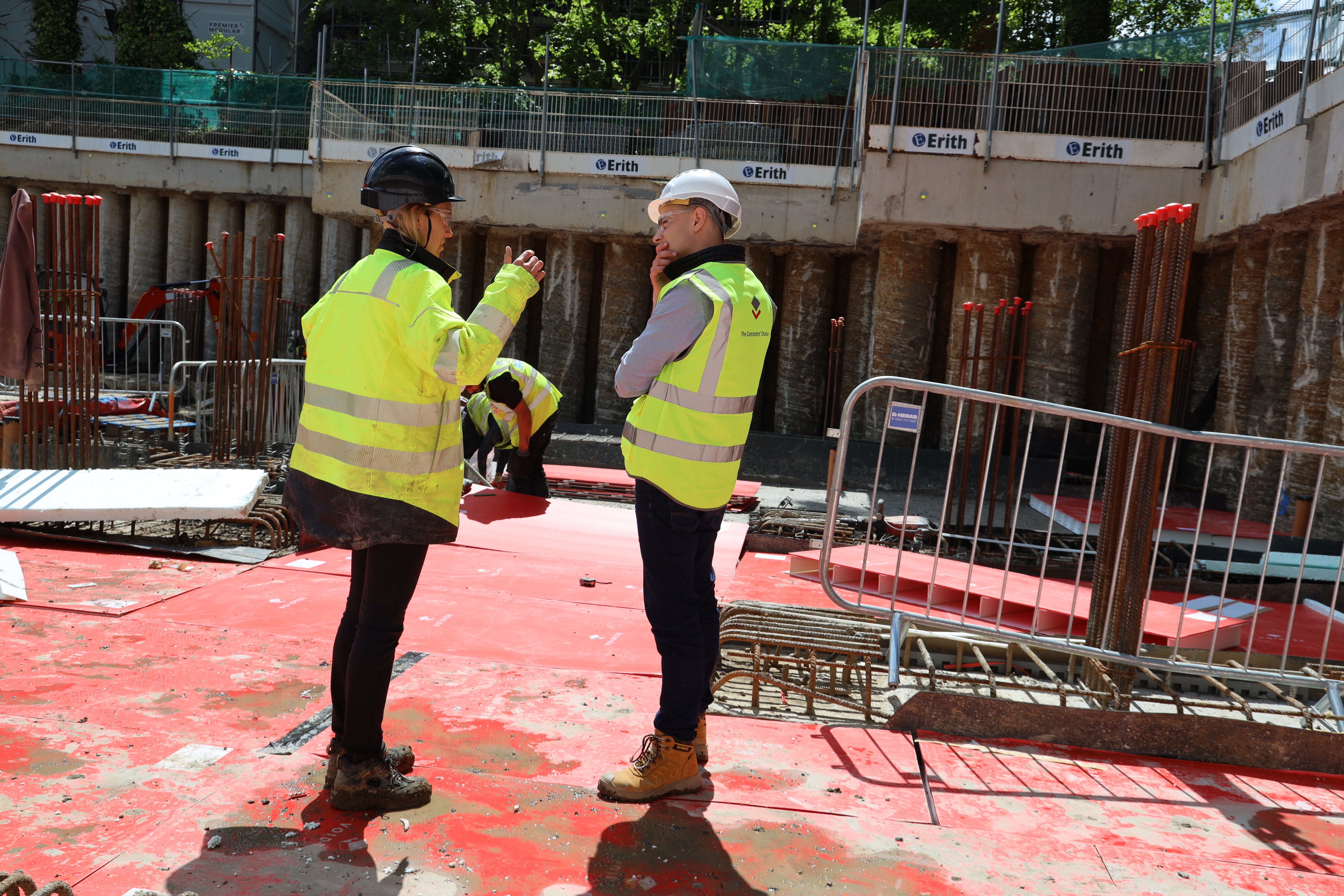
As a British manufacturer, Premcrete works directly with contractors, engineers, and designers to ensure our systems reflect real project conditions, not just lab performance.
That means:
- Faster response to changing requirements
- Continuous refinement based on installation feedback
- Systems designed around buildability, not just theory
We don’t just supply products. We help shape complete concrete waterproofing systems that perform under pressure.
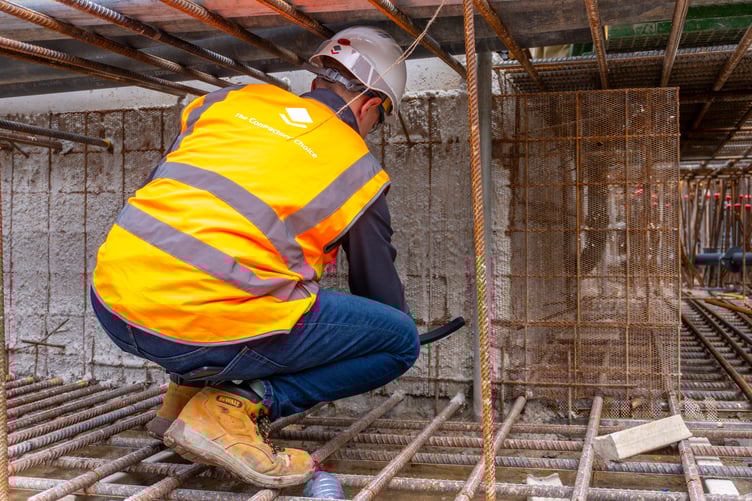
One System is Never Enough
BS 8102 is clear: effective waterproofing is rarely achieved with a single solution.
A robust strategy combines:
- Type A: Pre-applied membranes (like Combiseal Plus and
- Combiseal HD)
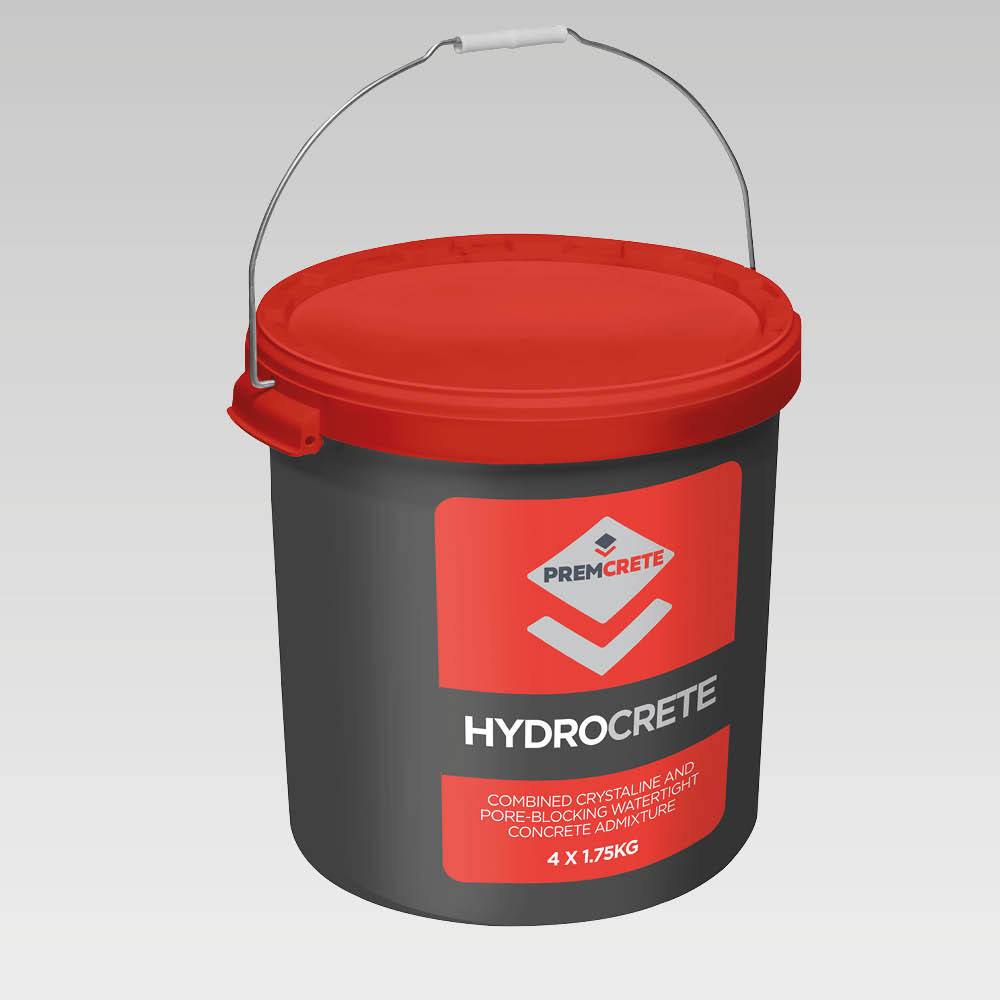
- Type B: Structurally integral protection (watertight concrete, such as Hydrocrete)
- Type C: Drained protection to manage and redirect water, like Hydroflow HP
Each serves a distinct purpose. You could say that Type A prevents. Type B blocks. Type C manages.
When combined, these systems create a layered defence, particularly important in Grade 2 and 3 environments, or where access for future repair is limited.
At Premcrete, we support this integrated approach, ensuring each concrete waterproofing system is designed holistically, not in isolation.
What the Future Looks Like
Waterproofing is evolving quickly, but the direction is clear.
The next generation of systems will be defined by:
- Integration: Waterproofing designed alongside the structure, gas protection, and environmental systems from the outset
- Intelligence: Materials that respond, adapt, and maintain performance over time
- Sustainability: Solutions that reduce waste, labour, and lifecycle impact
We’re also seeing a shift towards more proactive strategies, using predictive thinking and preventative design to reduce risk before it becomes a problem.
The Bottom Line
Waterproofing isn’t a product. It’s a strategy.
Done properly, it delivers:
- Confidence in compliance
- Confidence in durability
- Confidence in long-term performance
At Premcrete, that’s our focus: developing pre-applied waterproofing membrane systems that don’t just protect structures, but underpin them.
If you want to get it right from the start, speak to our team about a short technical design session. It’s a small investment that can prevent major issues later.


-1.jpg)