When we think about waterproofing risk, it’s easy to focus on the big decisions.
Which waterproofing system should be specified? What level of protection does the structure require? Which products are most appropriate for the project?
These are, of course, important questions. But some of the biggest waterproofing problems can begin with much smaller details.
A pile cap interface. A service penetration. A slab edge. A construction joint.
Individually, these details may represent only a fraction of the total waterproofed area.
And yet each creates a point at which the continuity of the waterproofing system becomes more complicated, and where design intent and the realities of installation need to meet.
At Premcrete, we believe successful waterproofing design means paying as much attention to these interfaces as the wider system itself.
Because when it comes to waterproofing, a small detail can carry a significant amount of risk.
Waterproofing Is Only as Strong as Its Interfaces
Effective basement waterproofing systems need to provide continuous protection around the below-ground structure.
Across a straightforward wall or slab, achieving that continuity can be relatively simple. The challenge increases wherever the waterproofing changes direction, meets another product or has to accommodate a structural element.
On a drawing, these transitions can look deceptively easy to address. In practice, the reality can be very different.
That creates an important distinction between designing a detail that works technically and designing one that can be executed reliably.
The largest area of membrane isn’t necessarily where the greatest waterproofing risk lies. Often, risk accumulates where continuity becomes more complicated.
So where should project teams be paying particular attention?
Pile Caps: When Geometry Creates Complexity
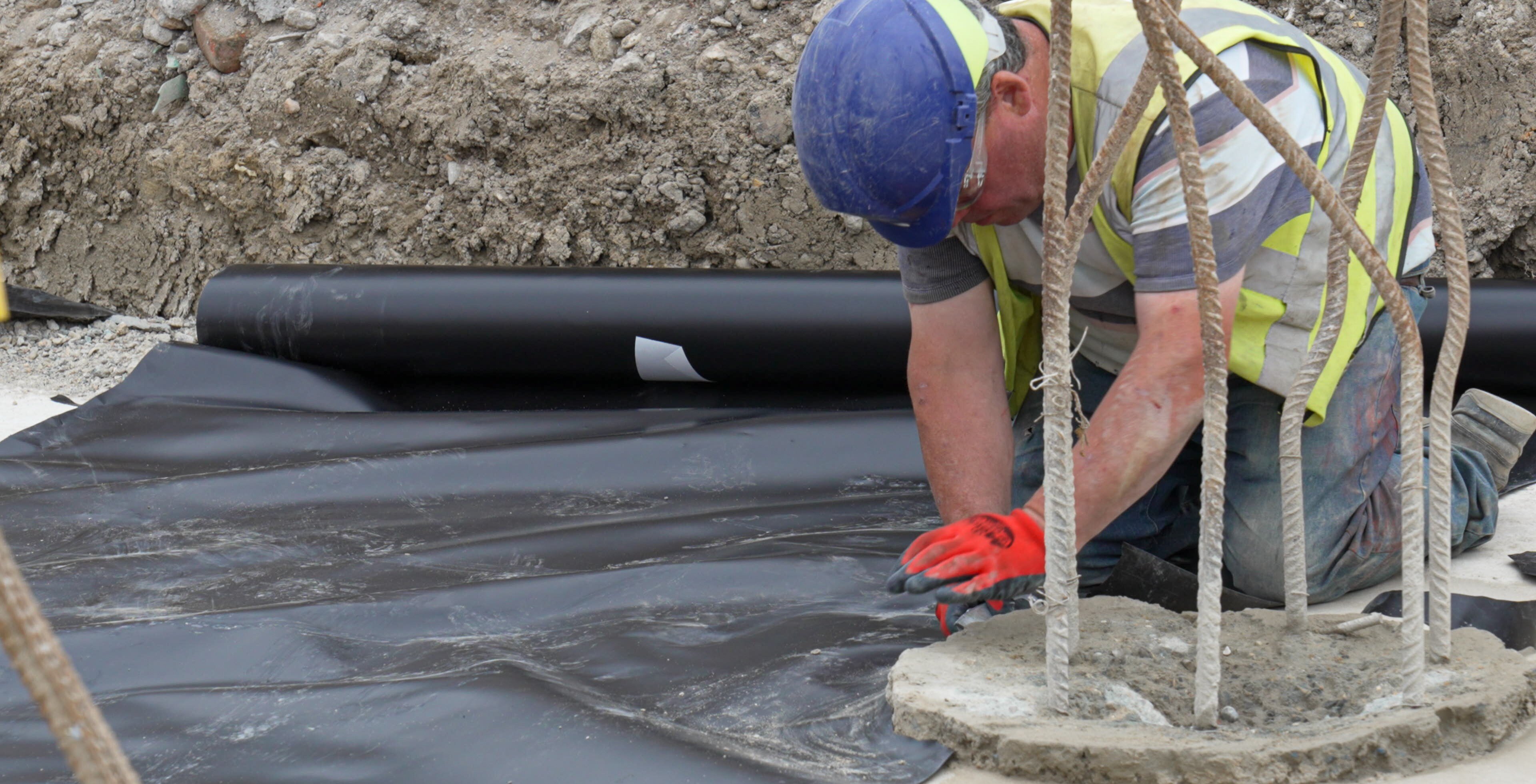
Pile cap interfaces are a good example of a relatively small part of the structure creating a significant waterproofing challenge.
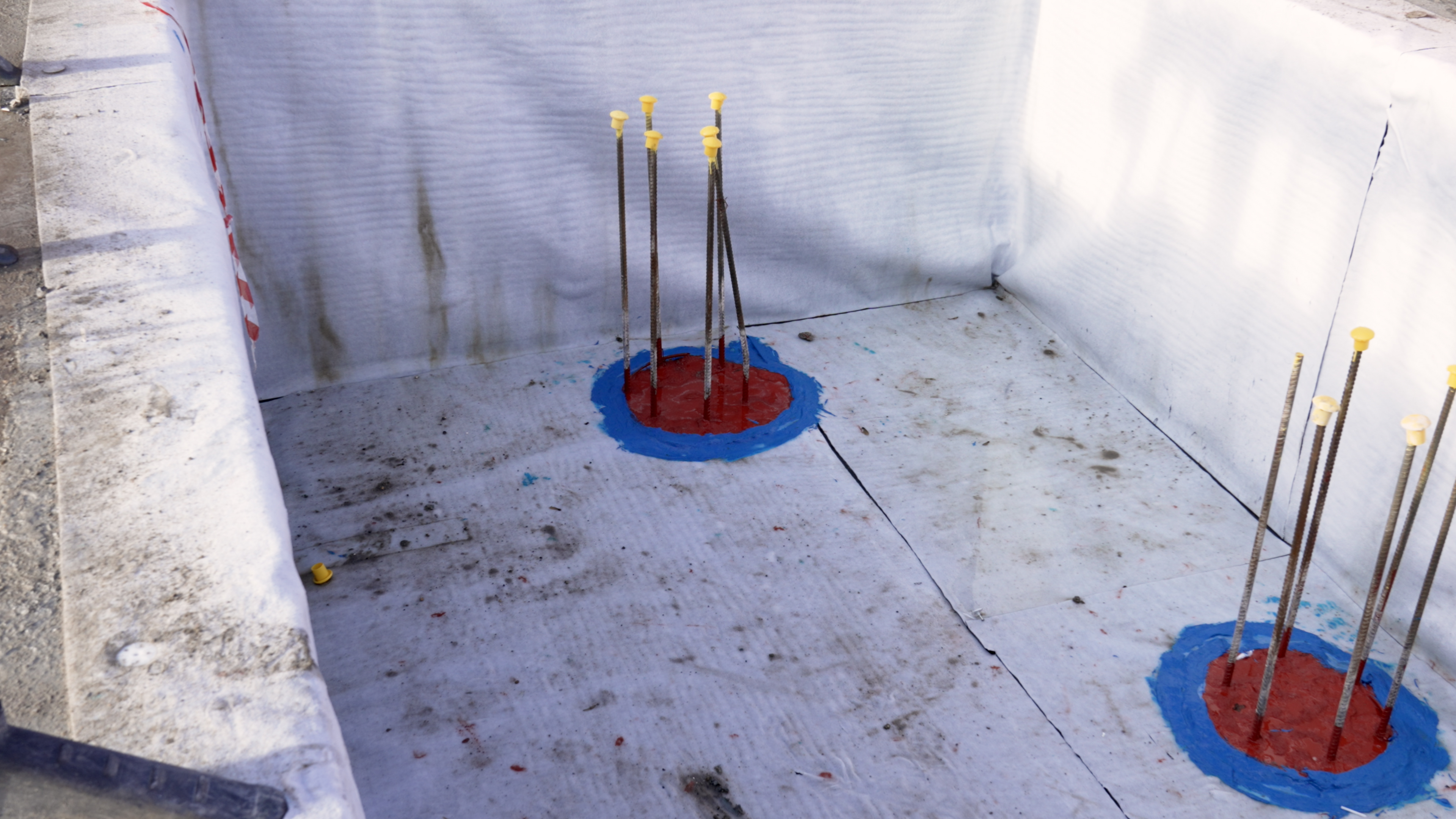
Historically, it has been difficult to ensure waterproofing integrity at this junction, as it required meticulous wrapping of the pile caps with membranes. Ultimately, this process was time-consuming and labour-intensive.
Overcoming this hurdle mattered, particularly in concrete basement waterproofing, where continuity between the waterproofing around the pile and the surrounding slab needs to be seamless. As a result, these transitions must be properly considered as part of a complete system in order to be successful.
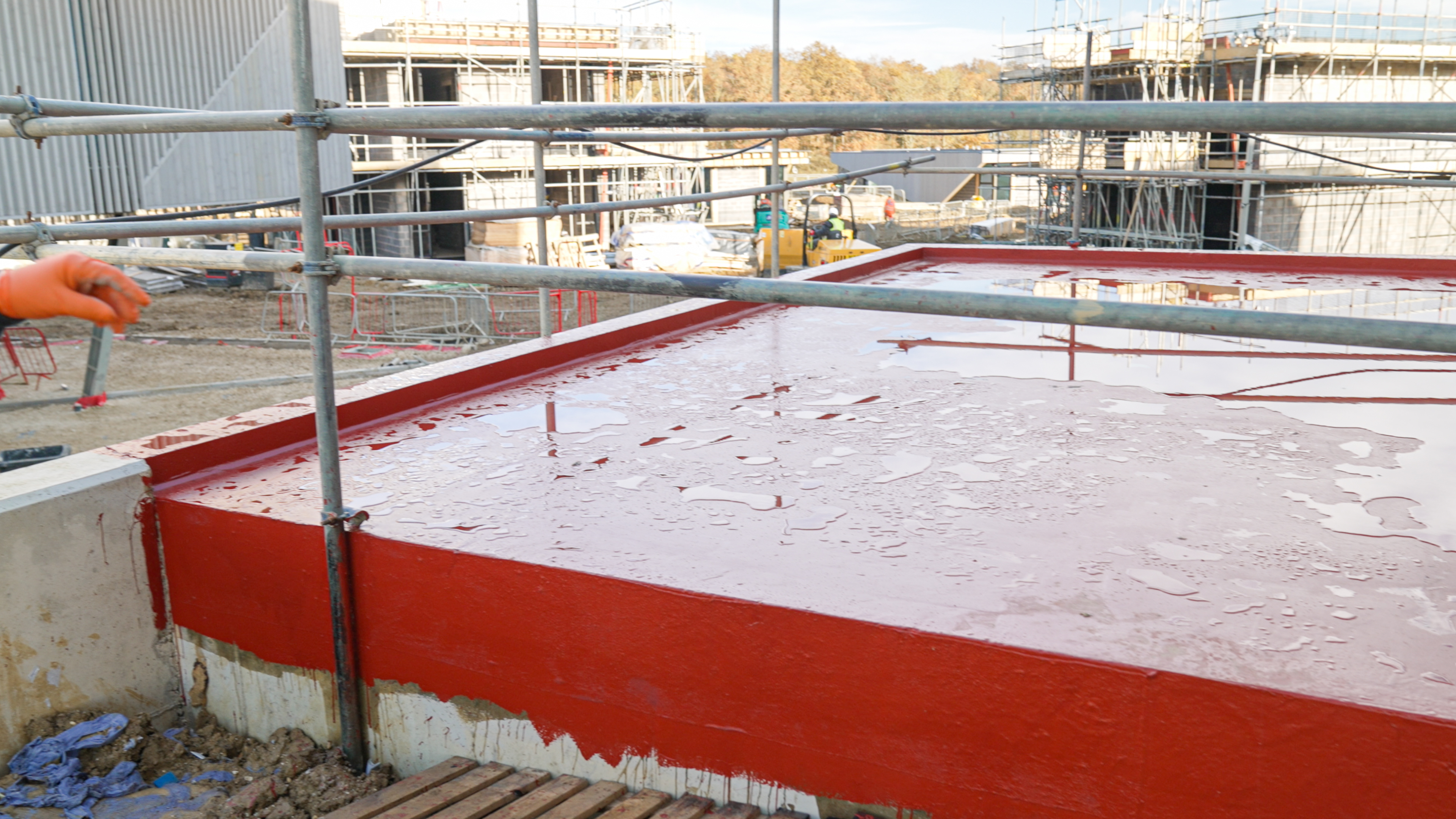
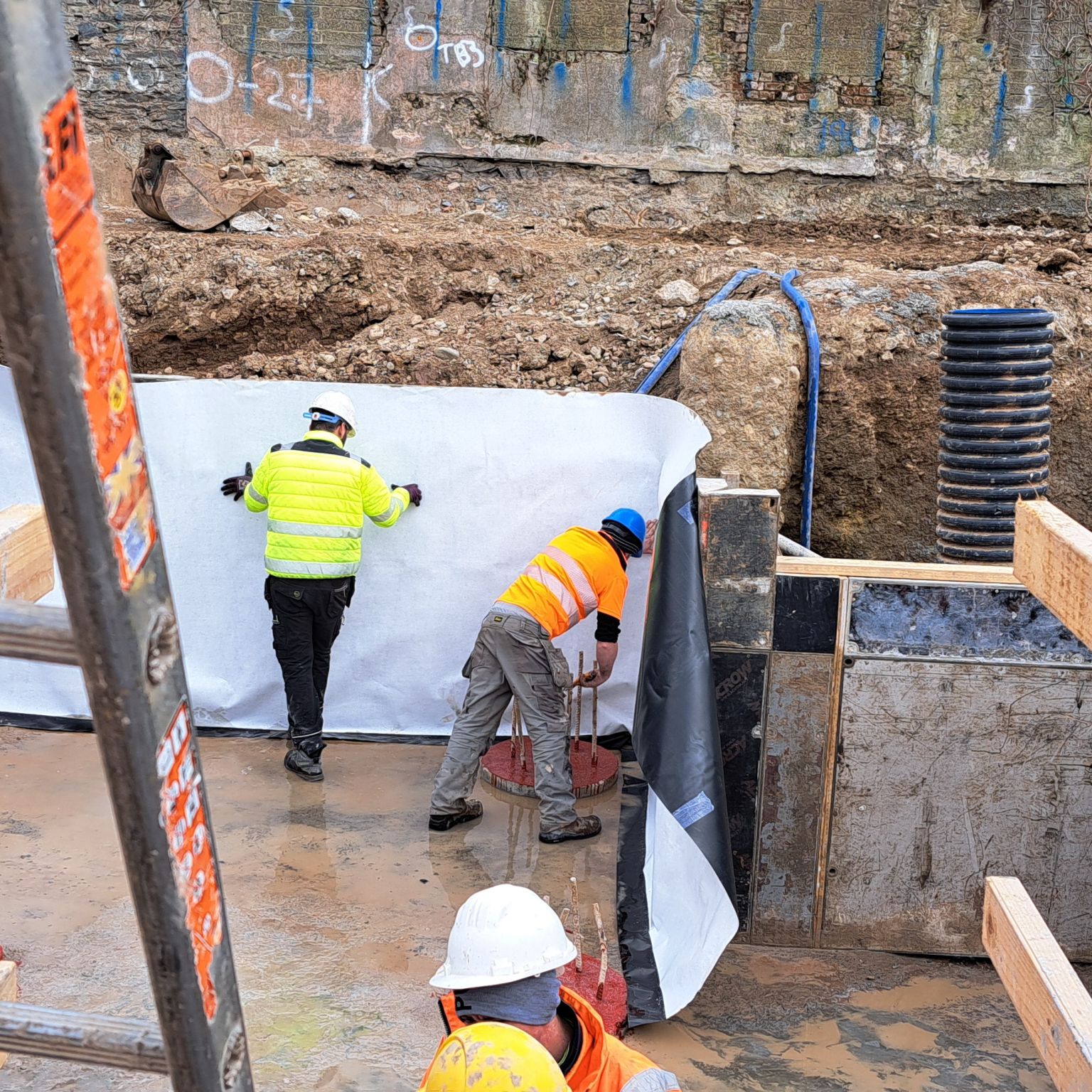
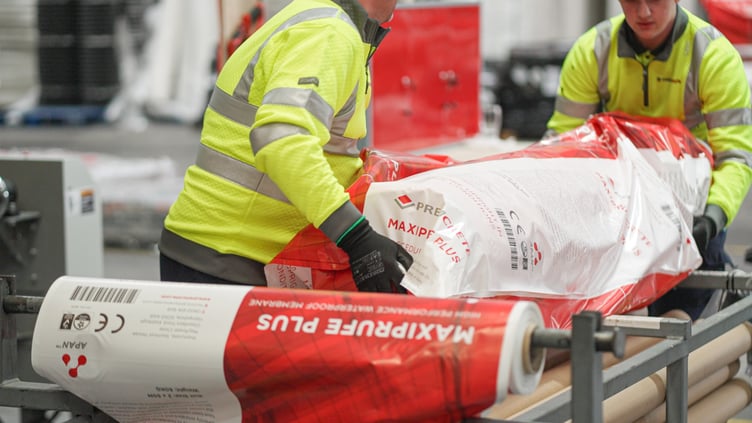
At Premcrete, we have eliminated the need for wrapping pile caps, offering a more efficient solution: Maxiprufe. This pre-applied waterproof membrane seamlessly connects with the pile cap and is designed to be installed underneath the basement slab. At this point, Hydroseal FX, which is a high-performance coating, can be applied to the top of the pile cap. Overall, this approach ensures a robust seal and saves valuable time.
There’s also a more practical question to ask: when will the waterproofing actually be installed?
A detail may appear perfectly achievable when considered in isolation. If reinforcement has already been installed by the time the waterproofing contractor needs access, however, the physical space available to execute that detail may be very different.
That is why three-dimensional thinking matters. The question isn’t simply whether the detail works in section, but whether it still works when everything else shown on the project drawings occupies the same space.
Service Penetrations: Small Openings, Significant Risk
Service penetrations are essential for routing utilities into buildings. However, they do introduce waterproofing challenges by creating an interruption in what is otherwise a continuous barrier.
Pipes, ducts, cables and other penetrations therefore need to be treated as part of the waterproofing design, rather than details to resolve once services arrive on site.
Early coordination can make a substantial difference here. Knowing where penetrations will occur, and considering the space required to waterproof around them, gives project teams an opportunity to address potential conflicts before they reach the site.
There also needs to be consideration of what happens afterwards. If another trade subsequently creates a penetration through an installed waterproofing system, who ensures the continuity of that system is reinstated correctly?
Waterproofing responsibility doesn't end when the membrane has been installed.
Slab Edges: Where Systems and Construction Stages Meet
Slab edge detailing and stepping slabs deserve particular attention because several factors can converge at one location.
The waterproofing may need to transition from horizontal to vertical. There may be a construction joint to address. Different waterproofing products or methods may meet.
Each element can be perfectly valid individually.
The risk lies in how they come together.
For basement waterproofing systems, continuity through these junctions should therefore be considered from both a technical and practical perspective.
How does one waterproofing element connect to the next? Who installs each part? Is the sequence clear? Can the first stage of waterproofing be adequately protected until the next connection is completed?
These aren’t secondary site questions; they’re part of designing a waterproofing strategy that can be delivered successfully.
Movement Joints: Designing for a Structure That Moves
Movement joints present a different challenge.
Waterproofing depends on continuity, while a movement joint exists specifically to accommodate movement within the structure.
The waterproofing detail therefore needs to respond to the way the structure is designed to behave.
That means considering the anticipated movement, the compatibility of the proposed waterproofing solution and how adjoining elements of the system connect into the joint.
Treating a movement joint as though it were simply another static construction joint can introduce unnecessary risk.
Installation practicality matters here too. Even a technically appropriate solution still needs sufficient access and suitable site conditions to be installed correctly.
The principle is straightforward: a waterproofing detail should accommodate the intended behaviour of the structure, not work against it.
When a Correct Detail Becomes Difficult to Build
One of the more easily overlooked waterproofing risks isn’t necessarily a mistake in the design itself.
Rather, it’s the gap between the conditions assumed during design and those that are actually encountered during installation.
Consider a service penetration where an appropriate waterproofing detail has been specified. Technically, everything is correct.
But by the time installation begins, other factors like congestion, site clashes and practical installation limits have been introduced. As a result, inspecting and completing the detailing is now far more challenging than the drawing may have suggested.
Similar situations can arise around pile caps, construction joints and slab edges.
This is why installation constraints need to be treated as a design risk, not simply a site issue.
The answer isn’t to design around poor workmanship; correct installation by competent, appropriately trained people remains essential.
Instead, it’s about giving those people details they can execute correctly and consistently under realistic site conditions.
Early Coordination Can Design Out Risk
The earlier these challenges are identified, the more options a project team has available.
Discovering a problem once construction is underway means that the available solutions may be fewer, slower and far more expensive than if it had been found in the first place.
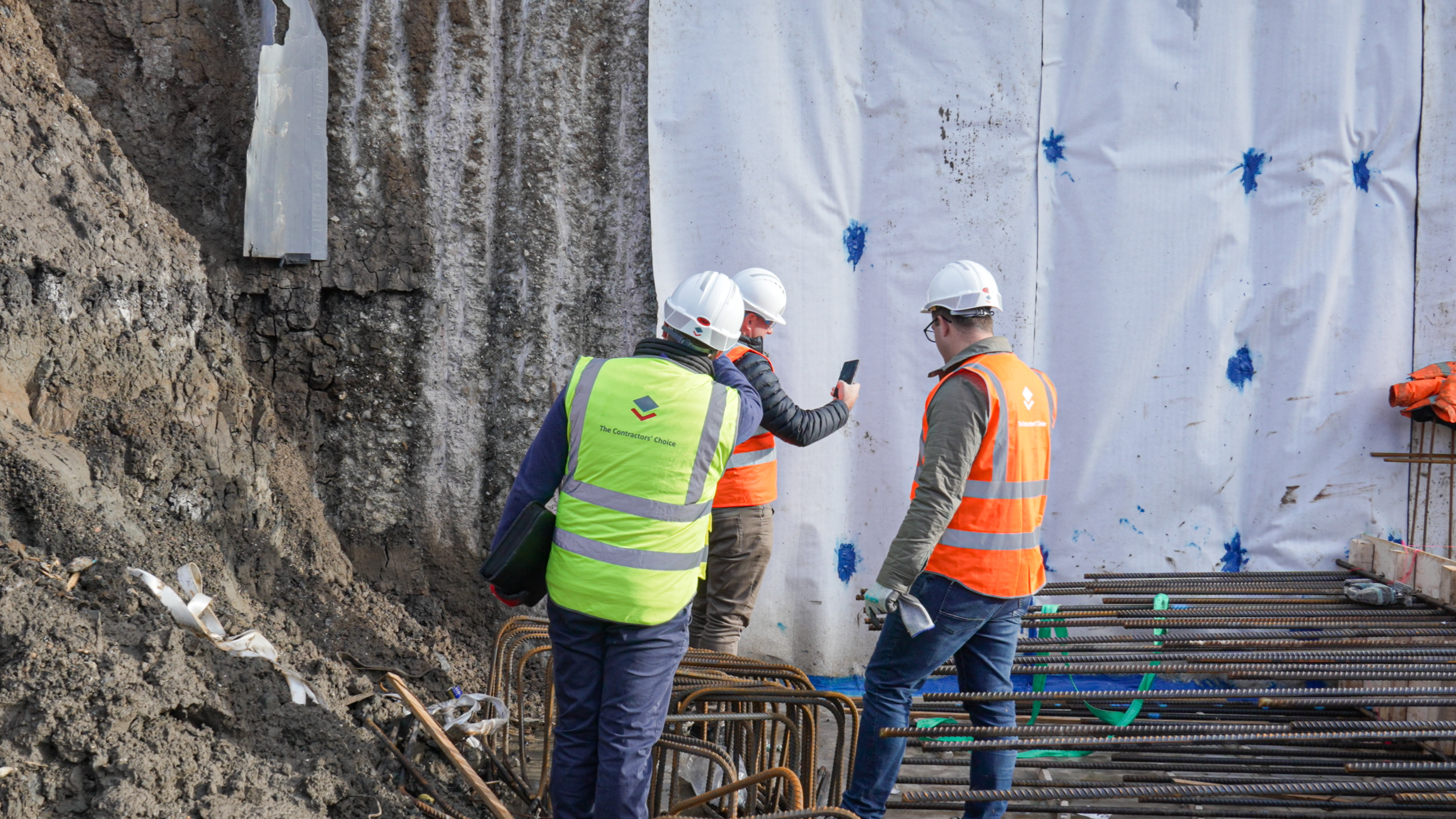
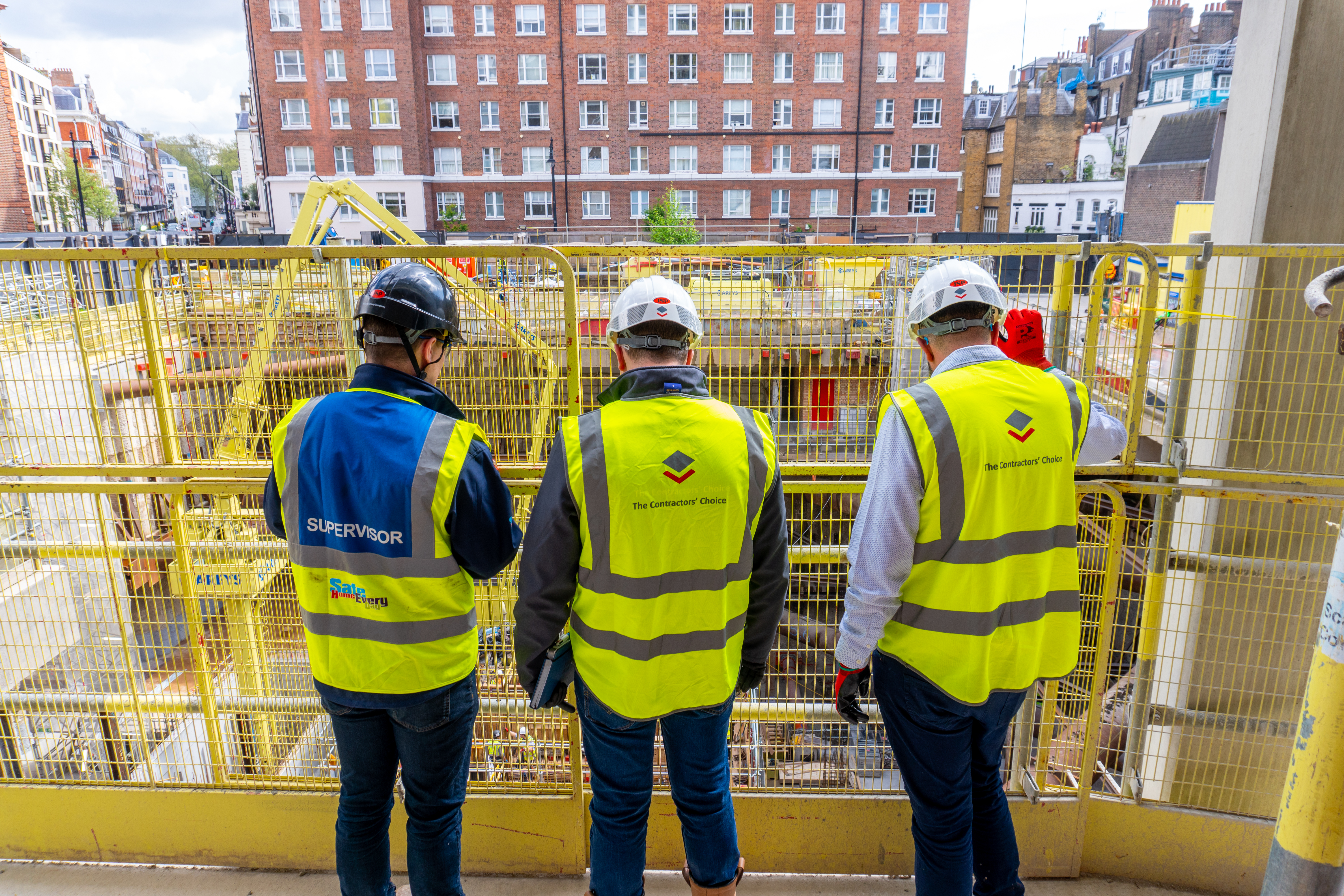
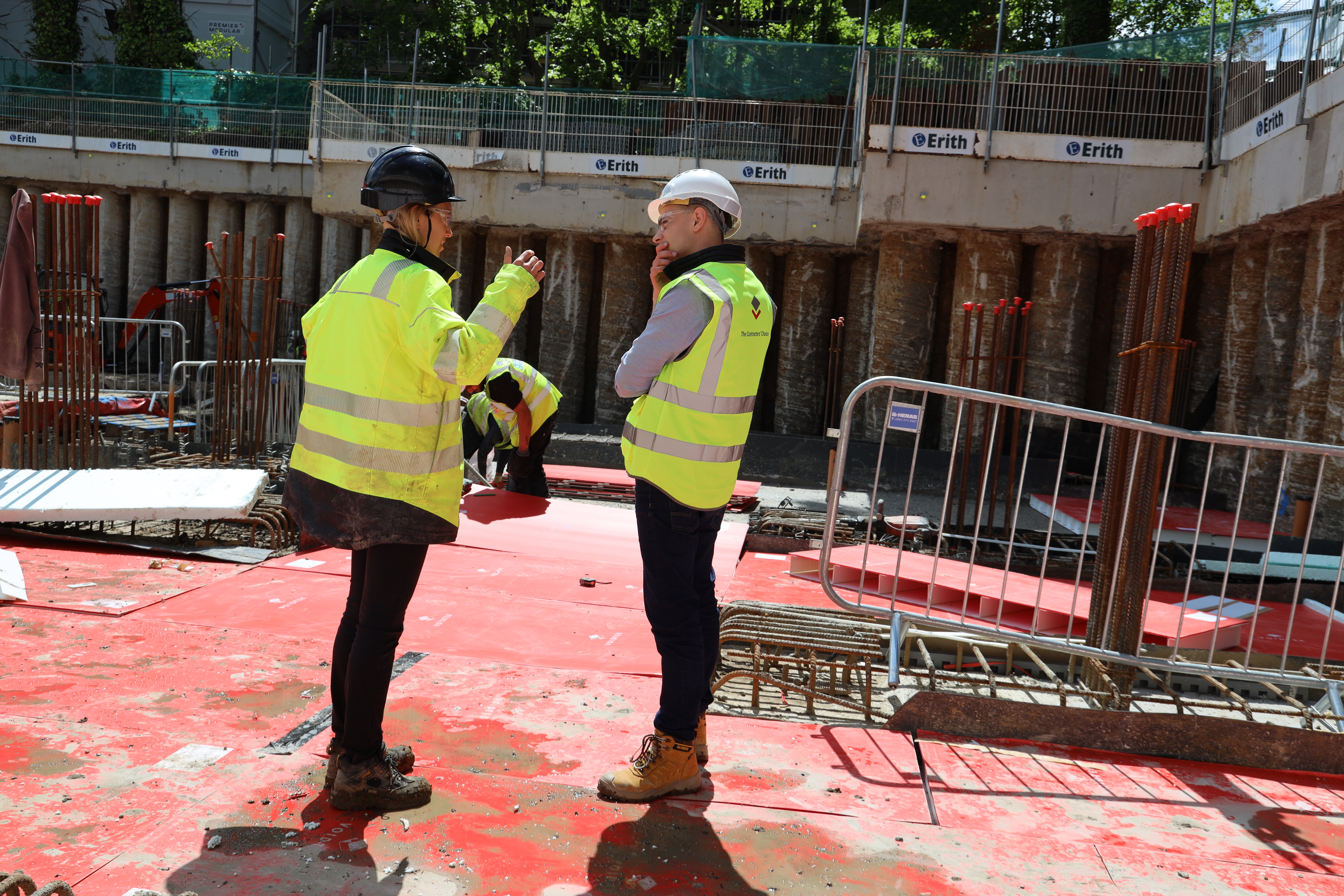
That is why effective waterproofing design benefits from collaboration between the designer, structural engineer, waterproofing design specialist, manufacturer, contractor, installer and relevant service teams.
Each role is integral, offering a new perspective to the project.
At Premcrete, working closely with our customers is fundamental to how we approach waterproofing.
Because our role isn’t about simply providing products. By understanding the structure, specification and project requirements, we can help customers consider how a waterproofing solution will interact with the realities of the build.
Sometimes the most valuable technical conversation is the one that identifies a problem before there’s a problem to fix.
Look at the Detail...Then Look Beyond It
When assessing concrete basement waterproofing, it can be useful to think about it on three different levels:
- First, the system: Is the overall waterproofing strategy appropriate for the structure, ground conditions and required level of protection?
- Second, the interface: What happens at every pile cap, penetration, joint, slab edge, change in level and transition between systems?
- Third, the installation: Can those details actually be accessed, constructed, inspected and protected in the conditions that will exist on site?
Looking at all three helps connect the overall waterproofing strategy with the small details responsible for making it work.
It also shifts the conversation towards a much more useful question: “Have we considered how the entire waterproofing system will work together?”
Don't Underestimate the Smallest Details
Waterproofing failures don’t always begin with dramatic design errors.
Sometimes, the greatest risks are concentrated in the smallest areas.
A pile cap, service penetration, slab edge or movement joint might occupy only a tiny proportion of the waterproofing ecosystem. But if continuity is compromised at that point, its physical size becomes irrelevant.
Successful waterproofing design therefore means looking beyond product selection. It also entails understanding how the system interacts with the structure, how individual details connect and, crucially, how those details will be delivered on site.
With early coordination, practical detailing and specialist input, many of these risks can be identified while there’s still enough time to design them out.
If you’re developing a basement waterproofing strategy or working through a challenging project detail, speak to a member of our team today. We can help you develop a solution that works where it matters: on site.