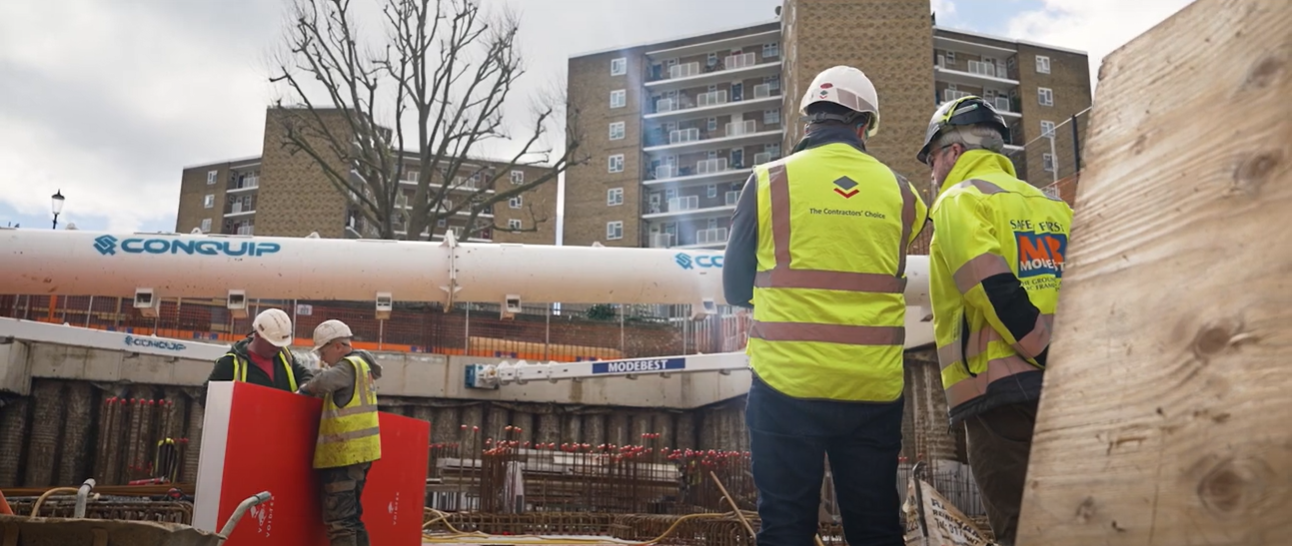
Decarbonisation in the construction industry has never been more pressing.
25% of our national greenhouse gas emissions can be attributed to built environments, according to findings from the UK government. What’s more, emissions from embodied carbon in this sector amount to 40-50 million tonnes of CO2 annually, which is more than aviation and shipping combined.
And yet embodied carbon emissions are not required to be assessed or controlled by current policy. So, the mammoth climb towards net zero targets continues.
Waterproofing systems have a significant role to play in reducing whole-life carbon emissions.
They may represent only a small percentage of a project's overall material volume, yet the decisions made during specification can have a lasting impact on a building's environmental performance.
Not because the membrane itself dramatically reduces carbon, but because it helps protect the carbon already invested in the structure.
And when waterproofing performs as intended, buildings last longer, remedial works become less likely, material waste is reduced, and the environmental cost of replacement can often be avoided altogether.
As the industry shifts towards designing for longevity rather than simply achieving compliance, waterproofing is an increasingly important element.
Protecting the Carbon Already Built In
When we’re talking about embodied carbon, we’re referring to the greenhouse gas emissions associated with manufacturing, transporting and installing construction materials.
More and more, however, the industry is recognising that this is only part of the picture.
Because every demolition, repair, replacement or major refurbishment brings additional carbon with it, especially when measured under a whole-life carbon approach.
And each process has a knock-on effect: new materials must be manufactured, waste has to be removed, deliveries need to be made, labour increases, and the carbon footprint grows.
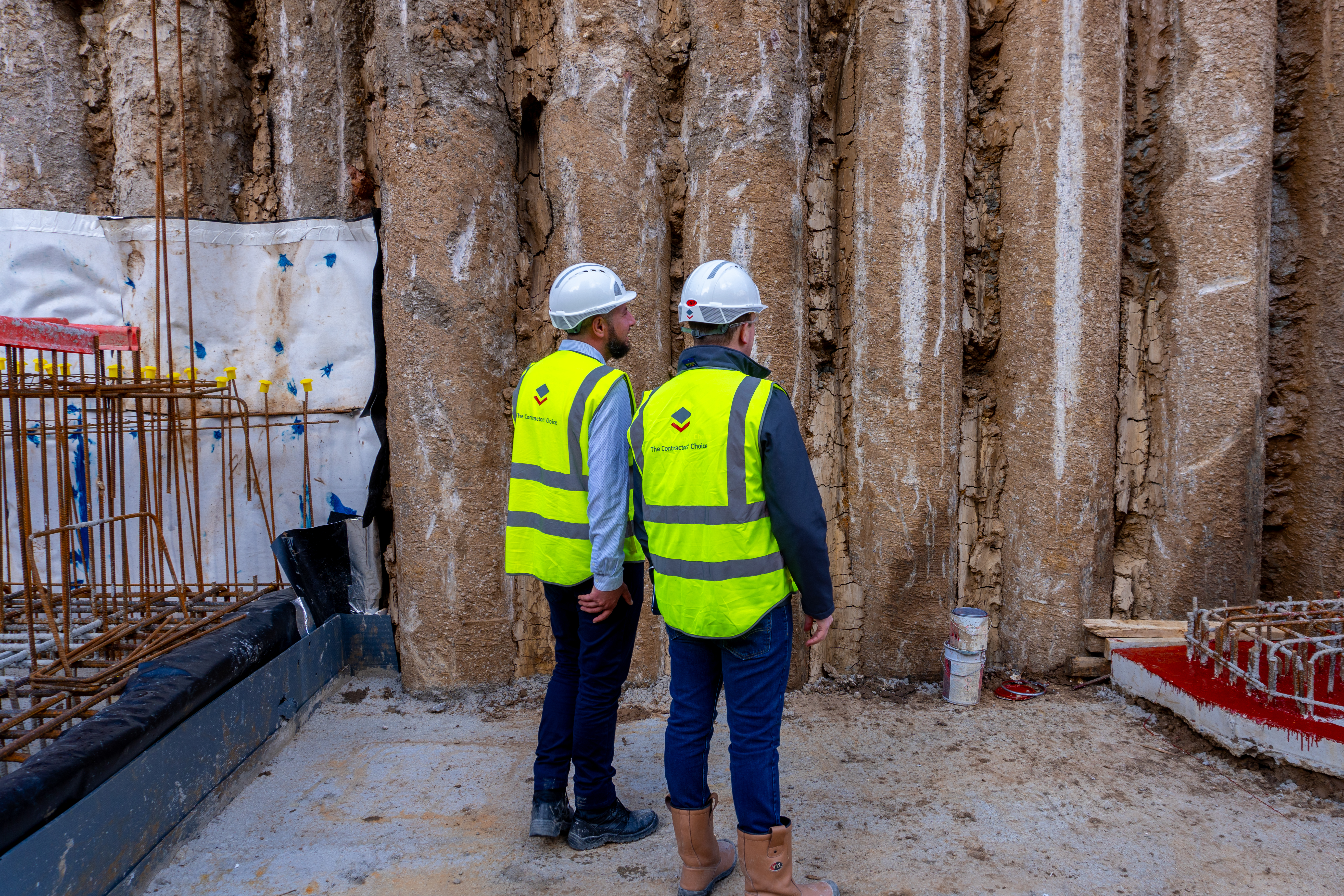
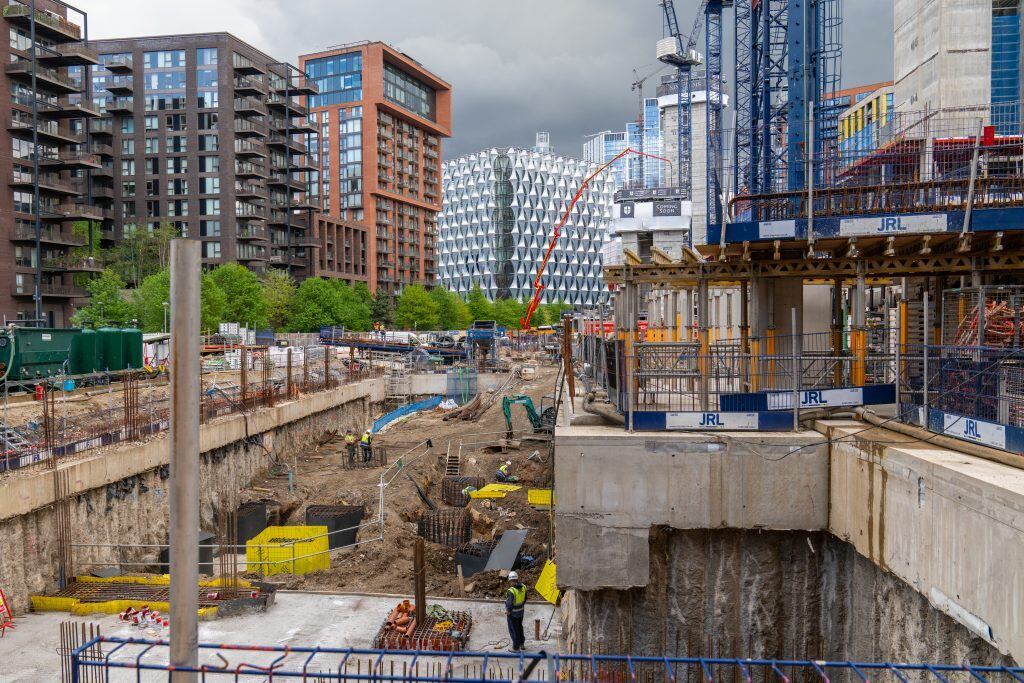
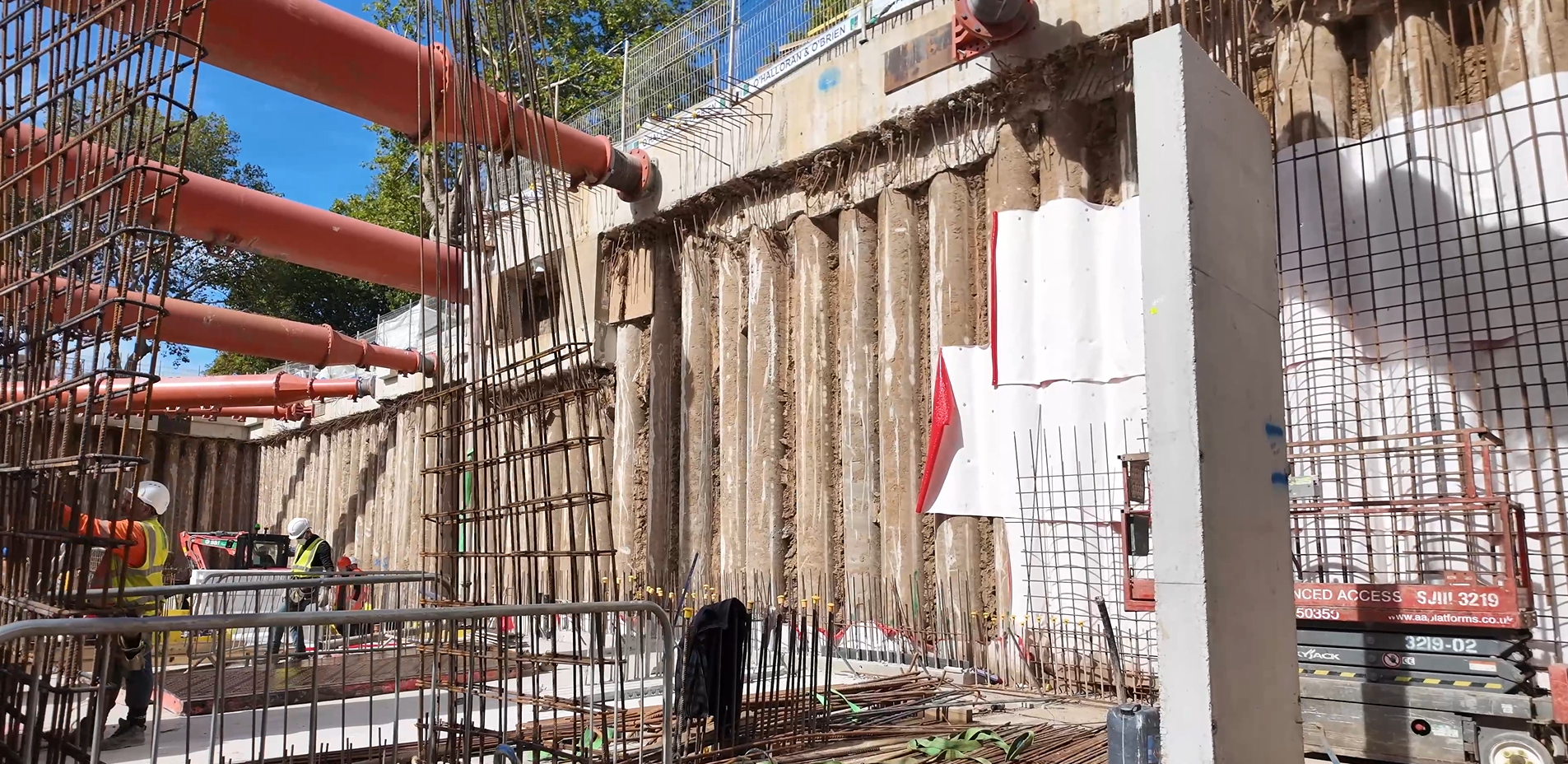
For below-ground structures, these impacts can be particularly significant.
Concrete carries one of the highest embodied carbon footprints of any commonly used construction material; cement production alone contributes around 8% of global emissions.
Once foundations and basements are complete, protecting them becomes essential.
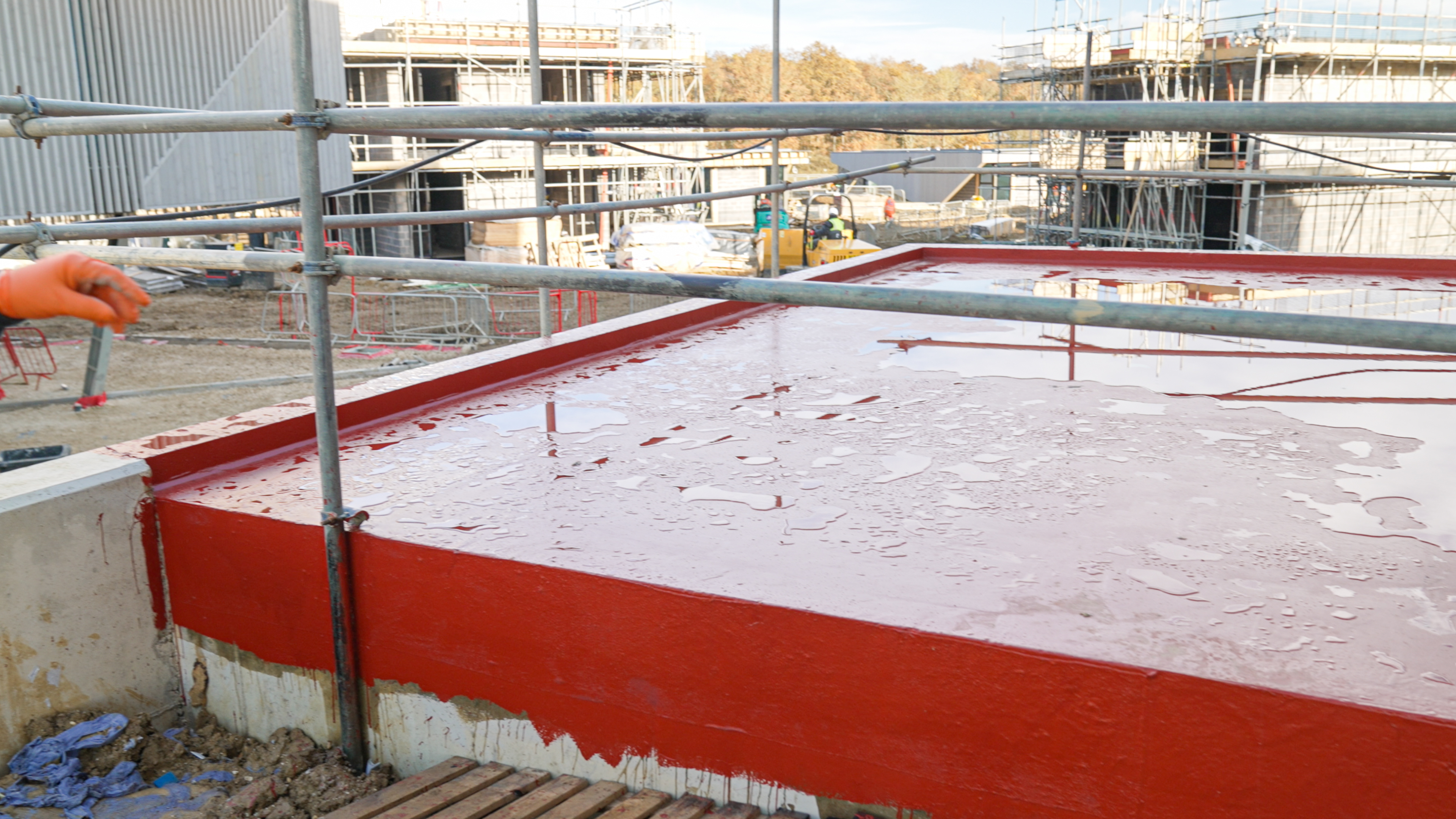
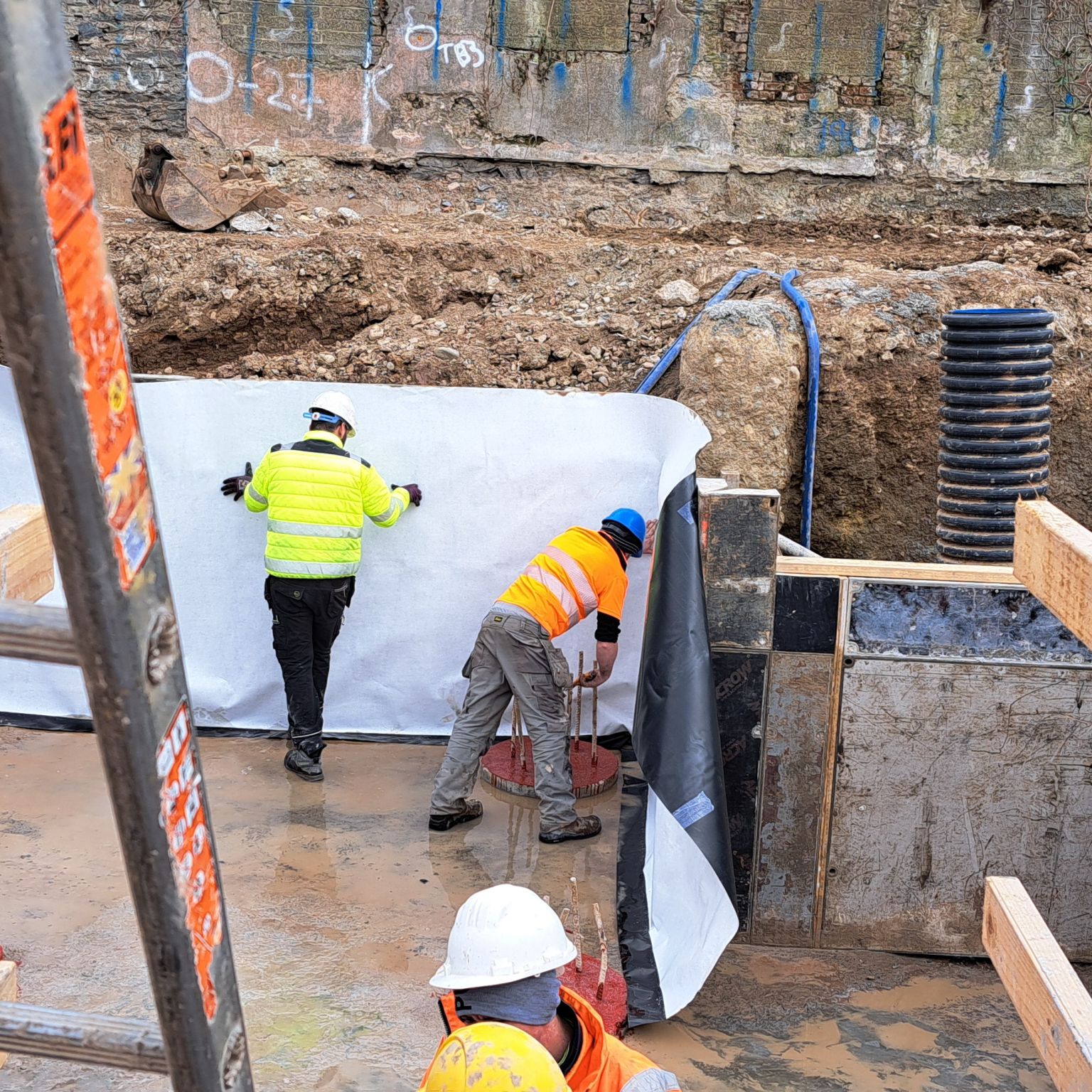
Effective commercial building waterproofing helps safeguard that investment, preventing water ingress from compromising the structural integrity of the building and reducing the likelihood of costly interventions later.
In other words, sustainability is not only about building responsibly; it’s about preserving what has already been built.
Durability Is One of Construction's Greatest Sustainability Tools
The most sustainable waterproofing system is one that lasts the lifetime of the building.
While innovations in material science continue to evolve, longevity remains one of the most effective ways to reduce environmental impact.
Every additional year that a waterproofing system performs as intended delays the need for replacement products, disruptive repairs and further material consumption. In fact, according to the UK Green Building Council, extending the lifespan of a building by even 10 years can reduce its embodied carbon by 15%.
This is particularly important in below-ground construction.
Unlike finishes or internal building components, waterproofing systems are rarely easy to access once construction is complete.
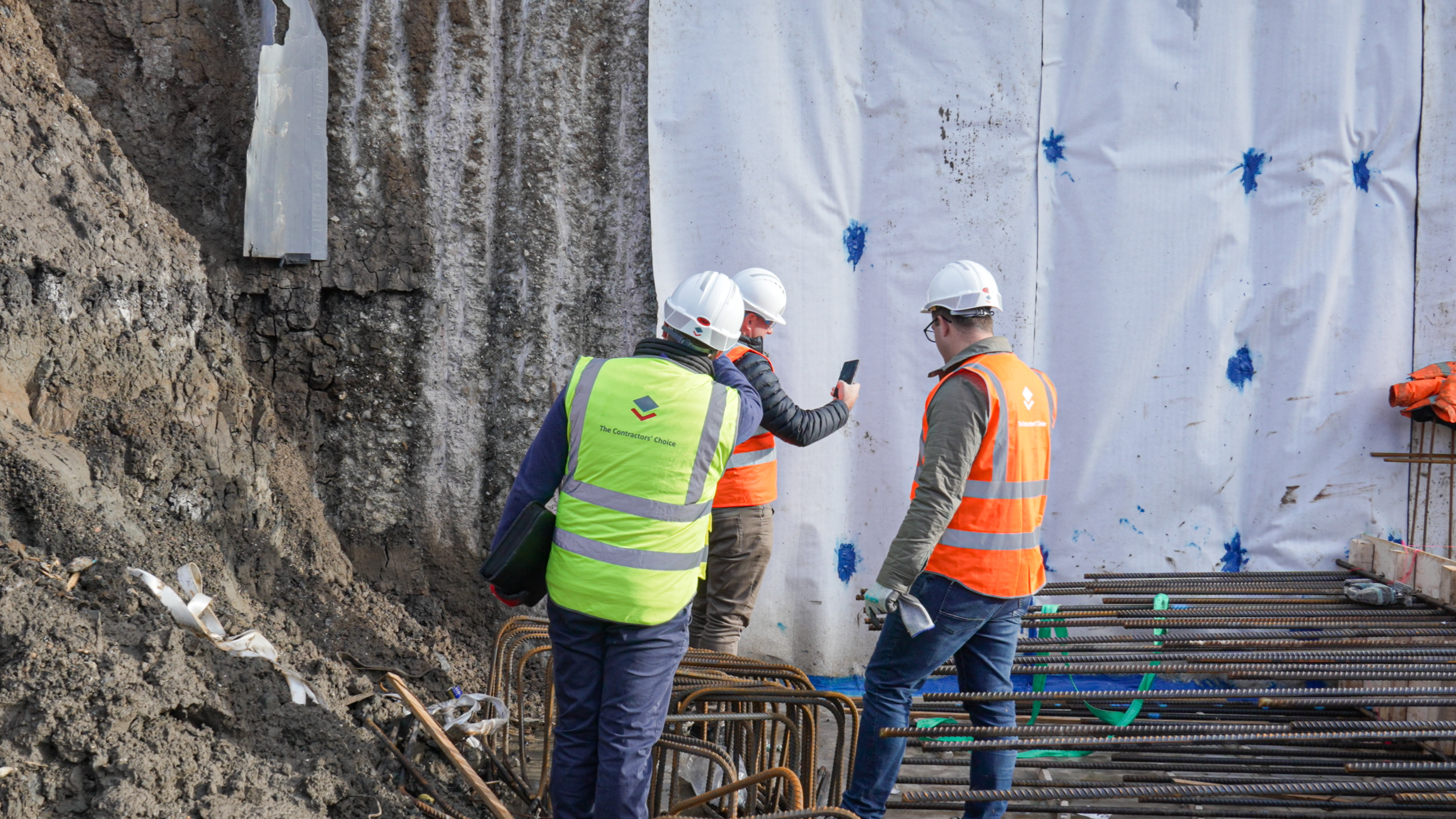
Anyone who has dealt with a failed basement waterproofing system understands the scale of remediation: external excavation, temporary works, replacement materials, specialist labour, and multiple site visits.
Suddenly, what began as a localised leak becomes a major construction project, with an equally significant carbon cost.
That’s why selecting a durable waterproofing system should never be viewed as simply meeting today’s specification. It is an investment in the building’s long-term performance.
At Premcrete, we believe waterproofing should be designed to perform for the lifetime of the structure. Not just until practical completion.
The Hidden Carbon Cost of Concrete and Waterproofing Failure
It’s easy to measure the embodied carbon of a product leaving the factory. It’s harder to quantify the environmental impact of failure years later.
A leaking basement rarely involves replacing a single membrane.
It can mean:
- Removing finishes
- Exposing structural elements
- Excavating around occupied buildings
- Transporting replacement materials
- Disposing of waste
- Returning specialist contractors to site
In many cases, operations within the building may also be disrupted.
Suddenly, what began as a localised waterproofing issue has created a much larger carbon footprint than the original specification ever represented.
Avoiding these scenarios starts with getting the design right from the outset.
By combining robust system design with quality installation and technical support, project teams can significantly reduce the likelihood of premature failure and the unnecessary carbon associated with remediation.
Smarter Specification Leads to Better Environmental Outcomes
Reducing embodied carbon isn’t always about using less material. Often, it’s about using the right material in the right application.
Careful specification allows designers to optimise waterproofing solutions without compromising performance. Choosing systems that are appropriate for the project’s ground conditions, structural design and intended lifespan helps avoid both under-specification and unnecessary over-engineering.
Equally important is minimising waste during construction.
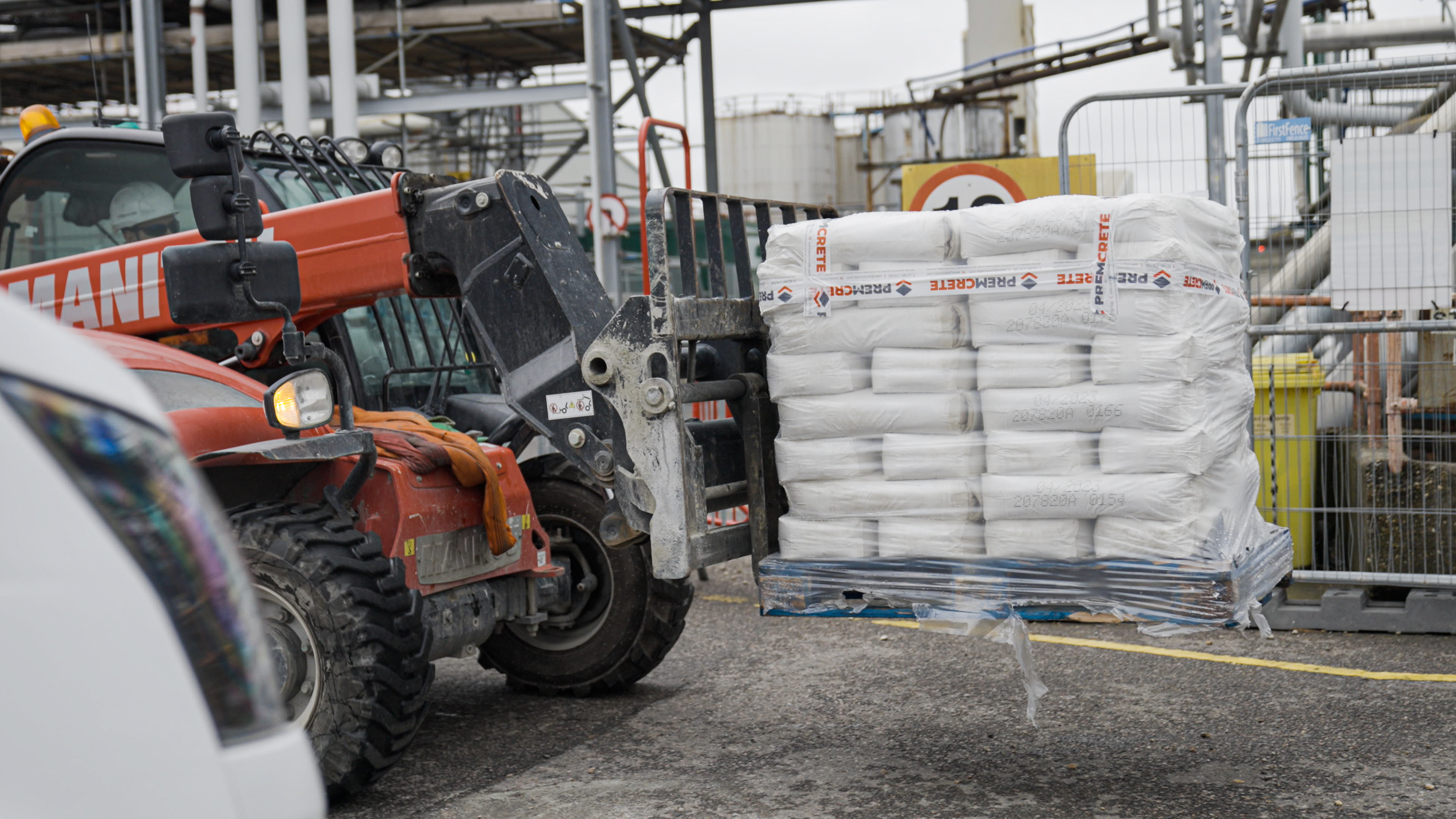
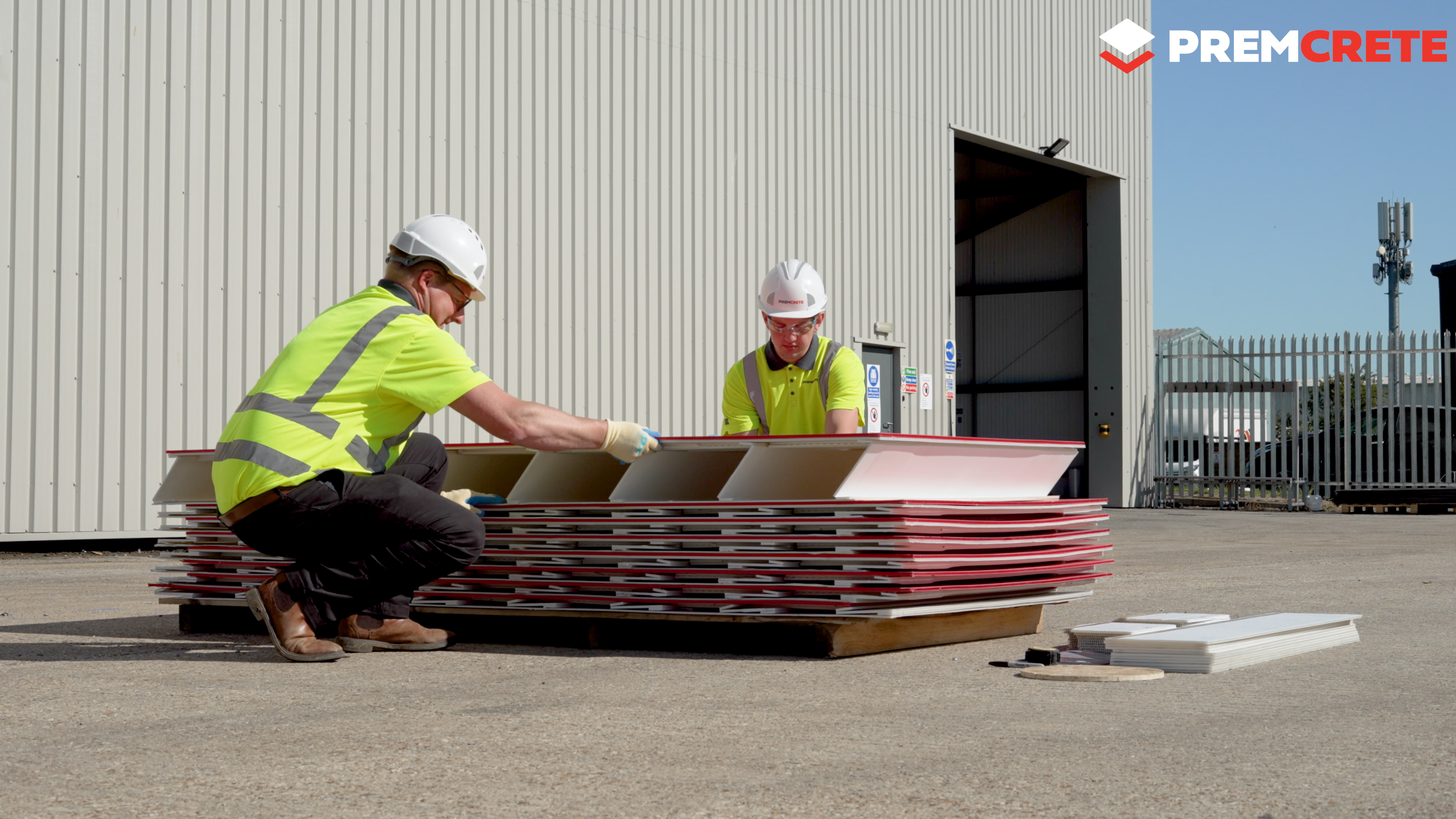
Accurate material planning, efficient installation and practical product design all contribute to reducing waste and unnecessary deliveries to site.
These decisions may seem small in isolation, but collectively they help create more efficient, sustainable construction projects.
Too often, waterproofing is still viewed as a compliance exercise rather than a long-term sustainability decision. That mindset needs to change.
Why Local Manufacturing Matters
Sustainability extends beyond the product itself; it also includes how that product reaches site.
Locally manufactured waterproofing systems can help reduce transportation distances and the associated emissions that come with international supply chains. Shorter supply routes also improve reliability, helping projects avoid delays, unnecessary deliveries and the waste that can accompany programme changes.
As a British manufacturer, Premcrete is uniquely positioned to support customers with products developed specifically for the UK construction market.
Manufacturing closer to the point of use allows us to respond quickly to changing project requirements, all while providing the technical support and product availability our customers rely on.
It also reflects our wider commitment to building a more resilient and sustainable supply chain.
Combined with locally sourced materials wherever possible, this approach helps reduce environmental impact, as well as supporting the consistency and quality demanded by modern construction projects.
Waterproofing Has a Bigger Role Than Many Realise
As the construction industry works towards lower-carbon buildings, every specification decision matters.
Waterproofing’s influence reaches much further than you might think. A durable, well-designed waterproofing system protects the structure beneath it, extends service life and helps avoid the environmental impact of unnecessary repairs.
That makes commercial building waterproofing an important part of the wider sustainability conversation.
At Premcrete, we’ve always believed that high-performing waterproofing systems should do more than just keep water out; they should provide lasting protection, support efficient construction and help customers build with confidence for decades to come.
Reducing embodied carbon isn’t about one product or one material. Instead, it’s all about making better decisions throughout the construction process, from manufacturing through to construction and ongoing maintenance.
And sometimes, the greatest environmental benefits come from ensuring you never have to build it twice.
Protecting Todays' Buildings for Tomorrow
Every waterproofing decision has a lasting impact.
The right specification doesn't just protect a building from water ingress; it helps protect the investment, the programme, and the carbon already built into the structure.
If you're looking for expert guidance on selecting durable waterproofing systems for your next project, our technical team is here to help. Get in touch today to discuss your requirements.